Understanding Low-GI Eating: Simple Swaps for Sustainable Energy & Metabolic Health
Discover how simple dietary adjustments can prevent blood sugar spikes, improve daily energy levels, and support long-term cardiovascular and metabolic wellness.
Sep 27, 2026
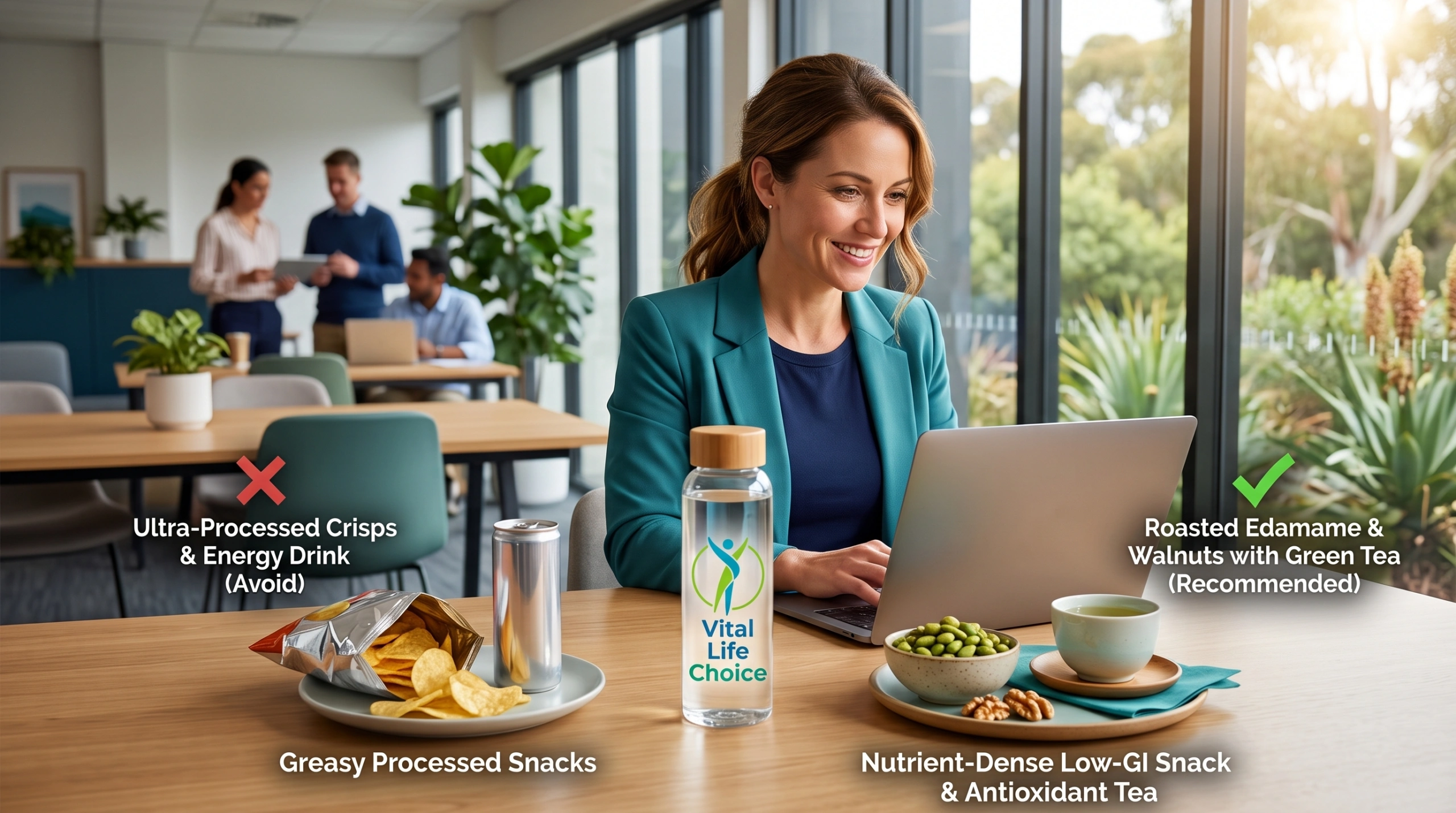
Maintaining stable blood sugar levels is one of the most effective ways to promote long-term cellular health and prevent chronic conditions such as Type 2 Diabetes, Cardiovascular Disease, and Neurocognitive Disorders.
When we consume High-Glycemic Index (High-GI) foods—such as refined carbohydrates, sugary beverages, and ultra-processed snacks—glucose enters our bloodstream at a rapid rate. This triggers a surge of insulin, often followed by an abrupt "sugar crash" that leaves us feeling fatigued, hungry, and foggy-brained.
Why Low-GI Foods Matter: Low-GI foods are digested and absorbed more slowly, releasing glucose gradually into the bloodstream. This promotes:
Sustained Energy & Focus: Avoids afternoon fatigue and mental sluggishness.
Reduced Metabolic Strain: Alleviates stress on pancreatic beta cells and improves insulin sensitivity.
Satiety & Weight Management: Dietary fiber and protein keep you full for longer, preventing overeating.
Three Simple Swaps You Can Make Today:
Breakfast: Swap sugary cereals or white toast for chia seed overnight oats with fresh berries.
Lunch: Choose high-fiber grains like quinoa or spelt pasta paired with lean protein and colorful vegetables.
Snacks: Replace chips and chocolate with a handful of raw walnuts, almonds, and pumpkin seeds.
At Vital Life Choice Ltd, our mission is to empower individuals with evidence-based medical research so you can make informed choices for your physical and mental health.
Disclaimer: This article is for educational purposes only and does not constitute medical advice. Please consult qualified healthcare professionals for personalized medical guidance.